

A beautiful smile can light up a room and leave a lasting impression. However, many people are self-conscious about their teeth and may feel restricted from smiling or laughing freely. Fortunately, modern orthodontic treatments such as braces can help correct a wide range of dental issues. Whether you are dealing with crooked, crowded, or misaligned teeth, braces can help align your teeth and provide a more symmetrical appearance to your smile.
At Darcy A. Wakefield Family Dentistry & Orthodontics, we offer a variety of braces Cambridge OH options to help you achieve the smile you've always wanted. Because we understand the importance of both the aesthetic and health benefits of orthodontic treatments, we are dedicated to helping you determine the best treatment plan for your individual needs.
Expert Dental Braces in Cambridge, OH
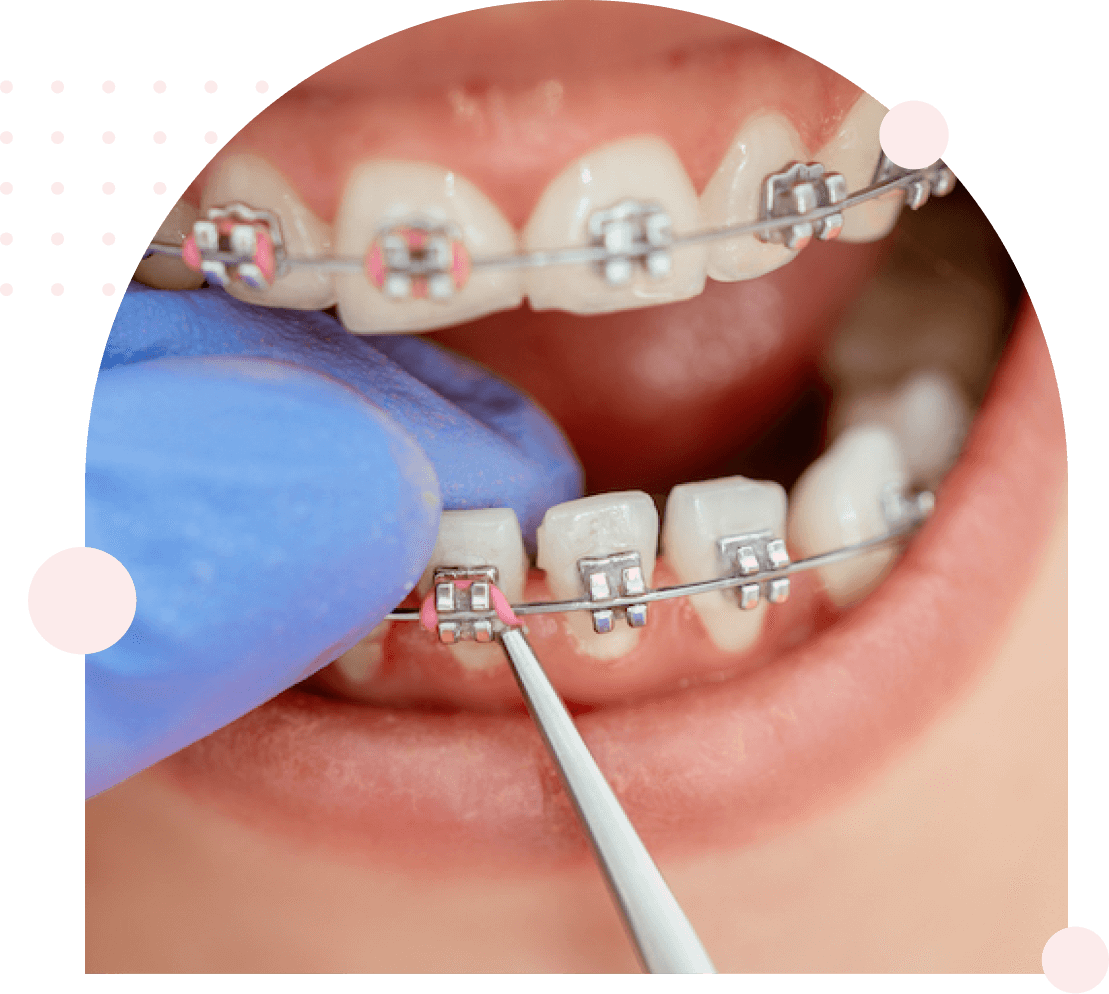
Braces are dental appliances that are used to straighten and align teeth, improve the bite, and enhance the appearance of the smile. Braces are made up of brackets, wires, and bands and are designed to apply gentle pressure to the teeth, gradually moving them into the desired position. Braces are a popular orthodontic treatment option that can address a wide range of dental problems, from overcrowding and crooked teeth to overbites and underbites.
Who Needs Braces?
Braces are typically recommended for patients who have misaligned teeth, bite issues, or other orthodontic problems. Children, teens, and adults can all benefit from braces, and it is never too late to start orthodontic treatment. Braces can help to improve the function and health of the teeth and gums, as well as boost self-confidence and overall quality of life.
Some of the most common orthodontic issues that braces can address include:
- overbites
- underbites
- crossbites
- crooked teeth
- overcrowded teeth
- spacing issues (gaps between teeth)
- open bites
- impacted teeth
- orthodontic relapse
- TMJ disorder symptoms
- speech and chewing difficulties
Types of Braces for Different Needs
There are several different types of braces available to patients seeking orthodontic treatment. Each type of brace has its own unique set of advantages and disadvantages, making it important to carefully consider all options before choosing a treatment plan. Below are brief descriptions of some of the most common types of braces:
Metal Braces
Metal braces are the most traditional type of braces and are made of metal brackets and wires. The brackets are attached to the teeth using a special adhesive and are connected by wires that are gradually tightened over time. The wires’ gentle pressure aids in gradually shifting the teeth into the desired position. One of the main advantages of metal braces is that they are highly effective and can be used to treat a wide range of orthodontic issues.
Pros of metal braces:- Highly effective for treating various orthodontic issues.
- Sturdy and durable.
- Cost-effective compared to some alternative options.
- Suitable for all age groups.
- Visible appearance.
- May cause mild discomfort and irritation initially.
- Requires more maintenance in terms of cleaning.
- Dietary restrictions, especially on hard or sticky foods.
Ceramic braces
Ceramic braces are similar to metal braces, but the brackets are made of clear ceramic material, making them less noticeable than metal braces. They are a good option for patients who want a more discreet treatment option, as they blend in with the color of the teeth.
Pros of ceramic braces:- Less noticeable than metal braces due to clear or tooth-colored brackets.
- Effective for a wide range of orthodontic issues.
- Durable and reliable.
- Suitable for individuals who prefer a more discreet option.
- Brackets may become stained or discolored if not properly cared for.
- Slightly more expensive than traditional metal braces.
- May cause mild discomfort and irritation initially.
Lingual braces
Lingual braces look and work the same as traditional metal braces. The only difference is that the brackets and wires are placed on the back of the teeth rather than the front, making them virtually invisible. Lingual braces are usually recommended for patients who want to maintain a completely natural appearance during orthodontic treatment.
Pros of lingual braces:- Virtually invisible as the brackets and wires are placed on the back of the teeth.
- Effective for various orthodontic issues.
- Maintains a natural appearance during treatment.
- May be more challenging to clean and maintain.
- Initial discomfort and adjustment period.
- May interfere with speech initially.
- Generally more expensive than traditional metal braces.
Damon System
Damon System braces are a type of self-ligating braces that use a slide mechanism to hold the archwire in place rather than traditional elastic ties or ligatures. The unique design of Damon System braces allows for a more comfortable and efficient treatment process. The braces apply gentle, continuous pressure to the teeth, allowing them to move more freely and quickly into the desired position. The sliding mechanism also allows for fewer adjustments and office visits compared to traditional braces.
Pros of Damon system braces:- Self-ligating system for a more comfortable experience.
- Gentle, continuous pressure for efficient tooth movement.
- Fewer adjustments and office visits compared to traditional braces.
- Effective treatment for various orthodontic problems.
- May be more expensive than traditional metal braces.
- Initial discomfort and adjustment period.
SureSmile
SureSmile braces are a type of advanced orthodontic treatment that uses computer-aided technology to create a customized treatment plan for each patient. The technology used in SureSmile braces allows for greater precision and accuracy in the placement and adjustment of braces, resulting in a more efficient and effective treatment process.
Pros of SureSmile braces:- Uses computer-aided technology for precise treatment planning.
- Greater precision and accuracy in brace placement and adjustments.
- Efficient and effective treatment process.
- Effective for various orthodontic issues.
- May be more expensive than some other options.
- Availability may vary by location.
Six Month Smiles
Six Month Smiles orthodontic treatment is specifically designed to enhance the aesthetic appearance of a patient’s smile rather than correct functional bite issues. Instead of realigning all of the teeth, this system mainly focuses on the visible teeth that are most noticeable when smiling or speaking. To create a discreet look, the treatment employs small tooth-colored brackets and archwires that are designed to blend in seamlessly with the natural teeth.
Pros of six-month smiles braces:- Focuses on enhancing the aesthetic appearance of the smile.
- Discreet with small, tooth-colored brackets and archwires.
- Shorter treatment duration compared to comprehensive orthodontic treatment.
- Suitable for individuals with primarily cosmetic concerns.
- Not designed to correct functional bite issues.
- Limited to treating the most visible teeth.
Braces Installation Process
The first step in getting braces is to schedule an orthodontic consultation with Dr. Wakefield. During this initial visit, we will evaluate your teeth, bite, and overall oral health to determine if braces are the right treatment option for you. If you decide to proceed with braces, we will take x-rays, photographs, and impressions of your teeth to create a customized treatment plan. Next, we will place the braces on your teeth and adjust them periodically to ensure that your teeth are moving into the desired position. The length of treatment will vary depending on your individual needs and goals.
Orthodontic Needs
The nature and severity of your orthodontic issues are a primary consideration. Some cases may require traditional metal braces for their effectiveness, while others may be candidates for more discreet options like ceramic braces, lingual braces, or Invisalign.
Aesthetic Preferences
Many patients desire braces that are less visible. For instance, ceramic braces, lingual braces, and Invisalign aligners are popular choices for individuals who prioritize aesthetics during their orthodontic treatment.
Lifestyle and Daily Habits
Your daily routine can impact your choice of braces. If you need the flexibility of removable aligners that let you eat, drink, and clean your teeth without restrictions, Invisalign is a wise choice. On the other hand, traditional braces may be a better fit for individuals with a more structured routine.
Comfort Level
Some patients may prefer the comfort and ease of Invisalign aligners, while others may not mind the feeling of traditional braces. Lingual braces, which are placed on the backs of teeth, can also be chosen for their comfort and discreteness.
Treatment Duration
The treatment duration can vary depending on the type of braces chosen and the complexity of the case. Some patients may prioritize shorter treatment times, making options like Six Month Smiles or SureSmile braces appealing.
Budget and Insurance
Financial considerations are essential when choosing braces. Metal braces are often the most cost-effective option, while other alternatives may come with a higher price tag. Insurance coverage and flexible payment plans can also impact your decision.
Age and Stage of Life
Patients of all ages can benefit from braces. While teenagers often opt for traditional braces, adults may lean towards more discreet options. Your age and stage of life can influence your braces choice.
Orthodontist's Recommendation
Ultimately, Dr. Wakefield will provide valuable guidance based on your specific case. She will assess your orthodontic needs, discuss your preferences, and recommend the braces that will yield the best results while aligning with your lifestyle and budget.
Factors You Need to Consider in Choosing Braces
The decision to get braces is a significant one, and selecting the type of braces Cambridge OH perfect for you is equally important. At Wakefield Dental, we consider several factors carefully to ensure that your orthodontic treatment aligns with your specific needs and preferences.
When to Consult an Orthodontist
It is recommended that children have their first orthodontic evaluation by age 7, as this is the age when many orthodontic problems begin to develop. However, patients of all ages can benefit from orthodontic treatment. If you have concerns about the alignment of your teeth or your bite, we encourage you to schedule a consultation with Dr. Wakefield.
Frequently Asked Questions
Are braces painful?
It is common to experience some discomfort or soreness when braces are first placed or adjusted. However, this discomfort is usually mild and can be managed with over-the-counter pain medications.
How often do I need to come in for appointments?
Patients with braces typically need to come in for adjustments every 4-6 weeks.
Can I still play sports or musical instruments with braces?
Yes, you can still participate in sports and play musical instruments with braces. We recommend wearing a mouthguard during sports activities to protect your teeth and braces.
How do I care for my braces?
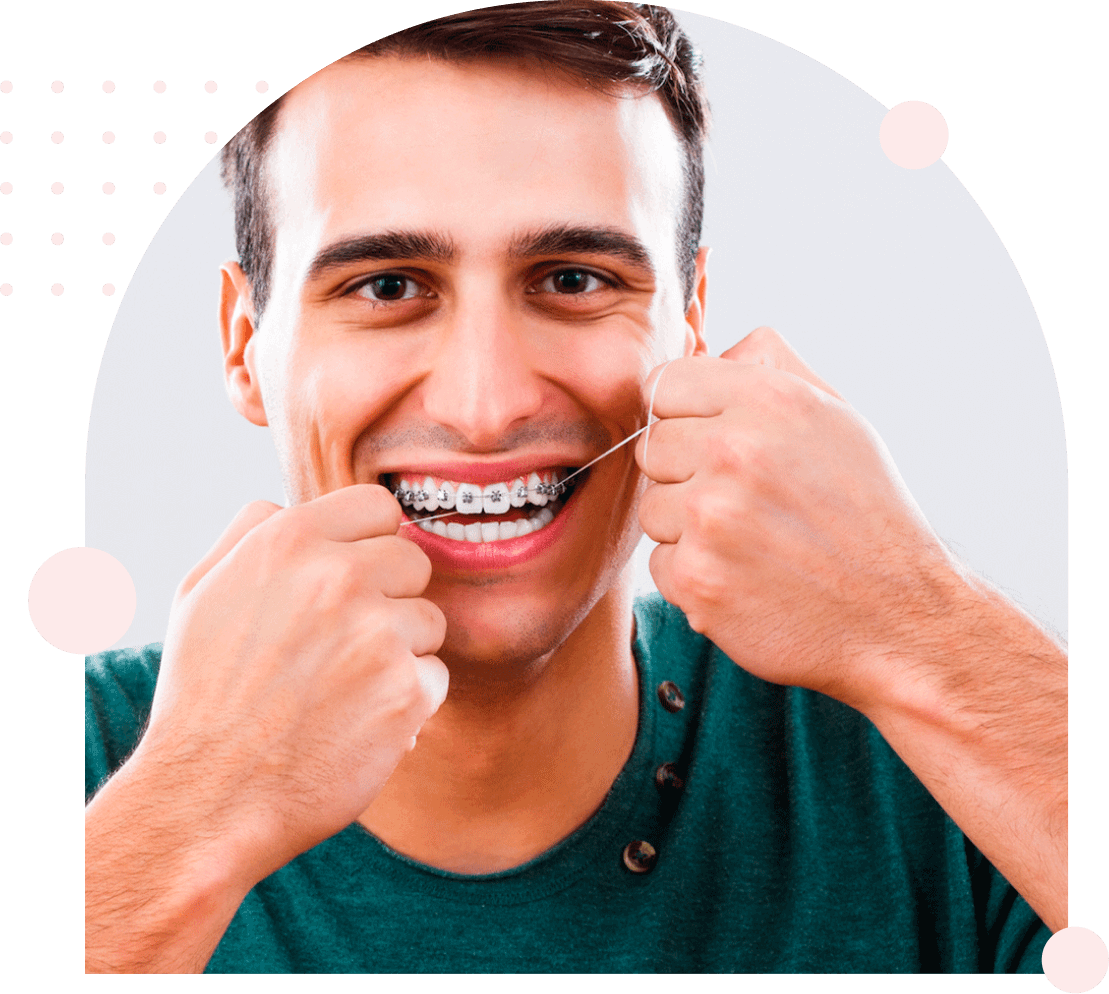
It is important to brush and floss regularly when you have braces to prevent tooth decay and gum disease. We will provide you with specific instructions on how to care for your braces during your treatment.
Will braces affect my speech?
Initially, braces may slightly affect your speech, but most patients quickly adapt and find their speech returning to normal within a few days to a week.
How long does orthodontic treatment with braces typically last?
The duration of orthodontic treatment can vary depending on your specific case. On average, treatment with braces ranges from 18 months to 3 years. Dr. Wakefield will provide you with a more accurate estimate during your consultation.
Are there any dietary restrictions with braces?
Yes, there are some dietary restrictions with braces. It's best to avoid hard, sticky, and chewy foods that can damage your braces or get stuck in them. We will provide you with a list of foods to avoid and recommendations for a braces-friendly diet.
Are there age restrictions for getting braces?
No, there are no age restrictions for getting braces. Patients of all ages, from children to adults, can benefit from orthodontic treatment. It's never too late to achieve a straighter and healthier smile.
Can I still get braces if I have dental fillings or other dental work?
Yes, having dental fillings or previous dental work does not necessarily disqualify you from getting braces. Dr. Wakefield will assess your dental history and work with you to create a treatment plan that accommodates any existing dental work.
Why Choose Wakefield Dental Family Dentistry & Orthodontics For Braces in Cambridge, OH?
At Darcy A. Wakefield Family Dentistry & Orthodontics, we are committed to providing our patients with the highest quality dental care and orthodontic treatments. Dr. Wakefield is a skilled and experienced dentist who has helped countless patients achieve beautiful, healthy smiles. Our team of dental professionals is dedicated to making your orthodontic treatment as comfortable and convenient as possible.
We offer a wide range of orthodontic treatment options, including traditional metal braces, ceramic braces, lingual braces, and clear aligners. Our state-of-the-art facility is equipped with the latest dental technology to ensure that our patients receive the most advanced and effective treatments available.
Contact Us Today!
If you are looking for braces Cambridge OH, contact Darcy A. Wakefield Family Dentistry & Orthodontics today to schedule a consultation. Our friendly and knowledgeable staff is here to answer any questions you may have about orthodontic treatment and help you achieve the beautiful, healthy smile you deserve.